Living in and Leaving MOD Service Family Accommodation
Finding somewhere to live during your military career often means moving into MOD Service Family Accommodation (SFA). These homes are designed to give service personnel and their families a safe, affordable place to live near their posting - and if you can ignore the magnolia walls, it can be a great way to not only save money, but to be part of a close-knit community. But what happens when it’s time to move, or when you leave the Forces? Here’s a clear guide to military housing in the UK, living in it, and what to do next.
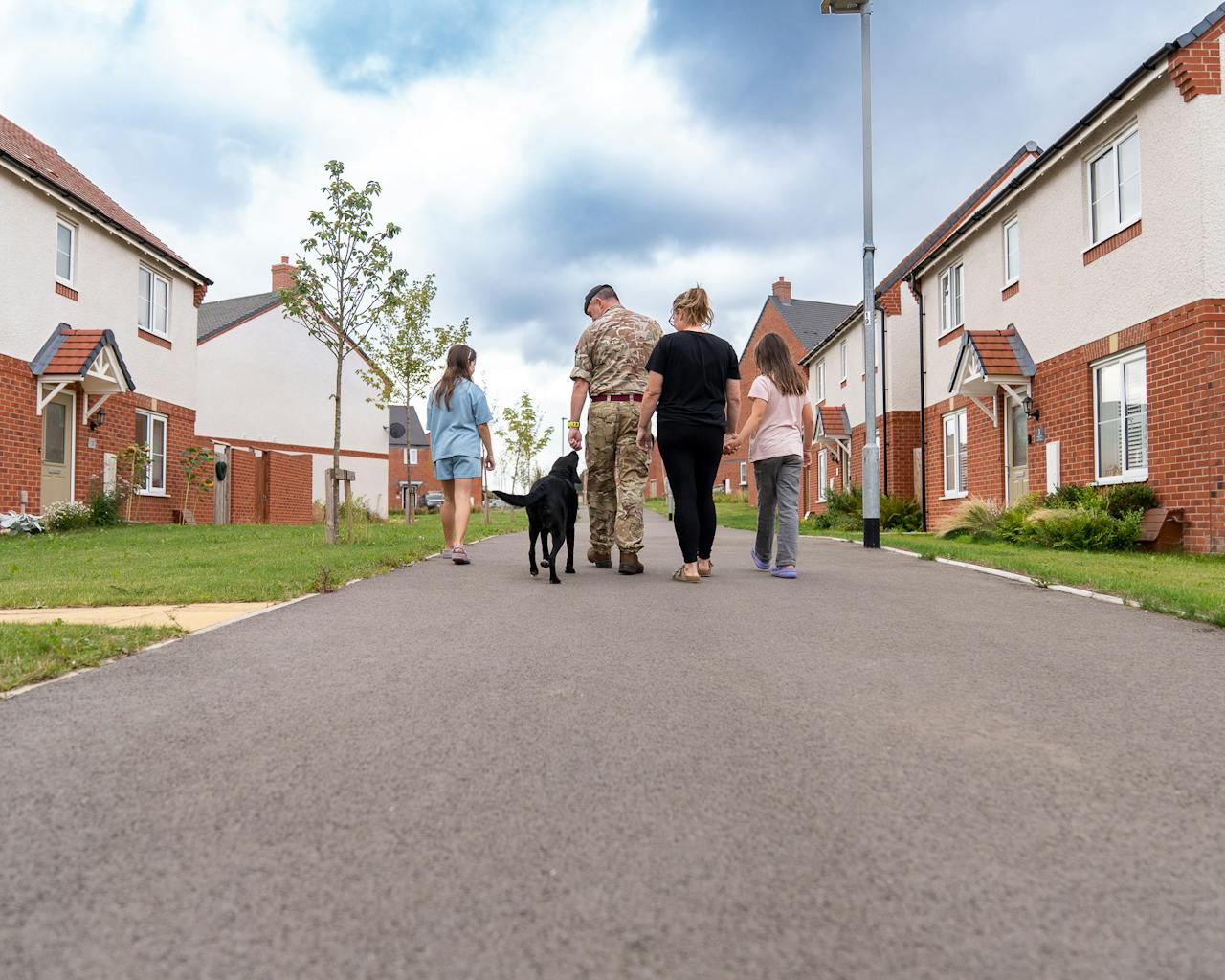
Military Housing UK Explained: SLA vs SFA
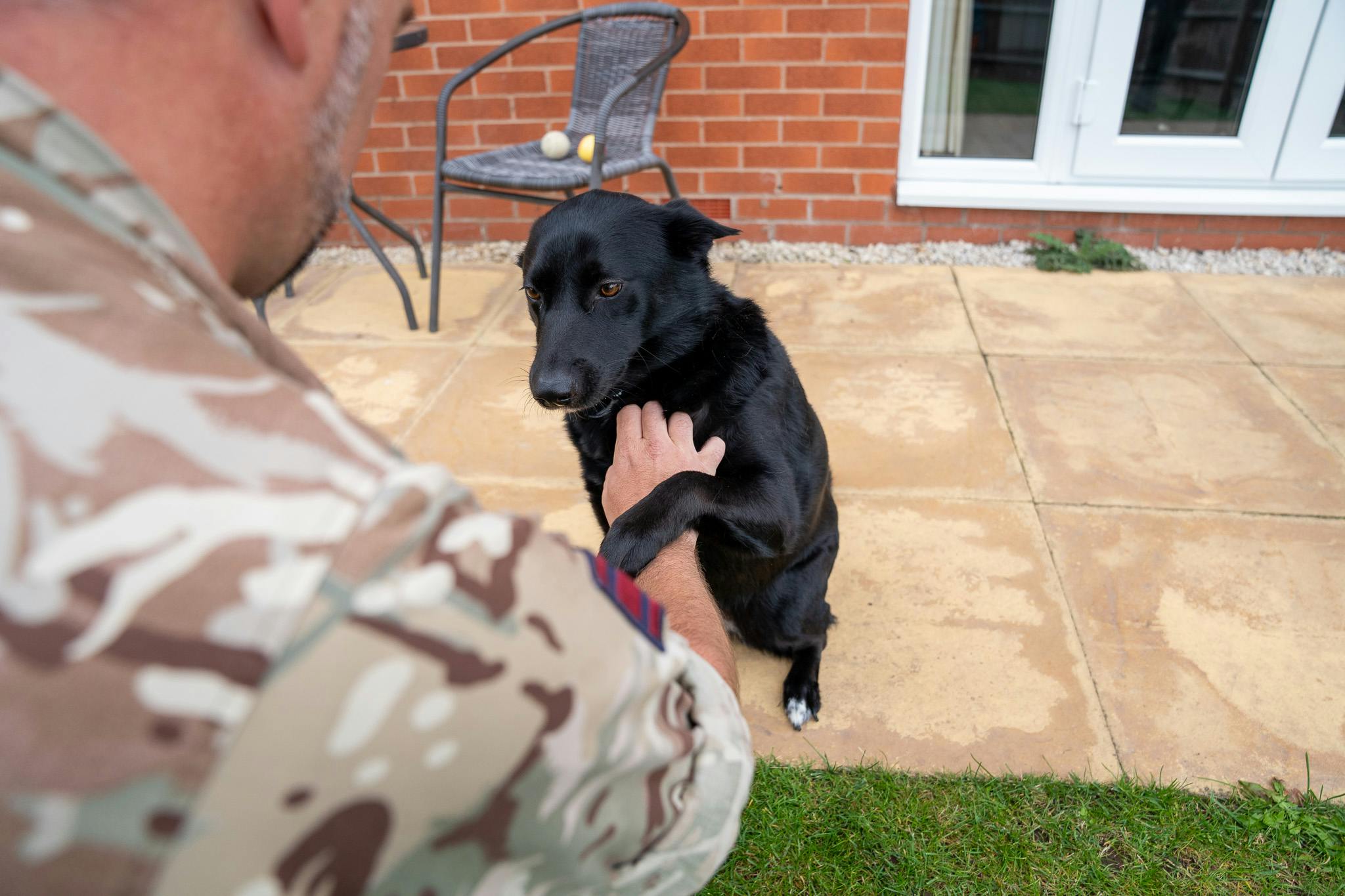
Military housing UK is split into two main categories:
• Single Living Accommodation (SLA) – for serving personnel living alone.
• Service Family Accommodation (SFA) – for married personnel or those with dependants.
Both are managed by the Defence Infrastructure Organisation (DIO), with standards set to ensure safe, secure, and affordable living. Rent is usually lower than the private market, making it a key benefit of military life.
Living in Service Accommodation
Living in service accommodation comes with both advantages and challenges. On the plus side, rent is subsidised, maintenance is managed, and you’re close to your base. But families often face the stress of frequent moves, short notice postings, and limited control over where they live. And have we mentioned the magnolia walls?!

Many military families choose to balance service housing with private renting or ownership, especially if they want stability for children’s schooling.
Leaving Military Housing and Magnolia Behind? Read our Essential Tips for Your New Home!
How much notice do you get to leave SFA?
The standard notice to vacate Service Family Accommodation is 93 days from the date of discharge. This applies whether you are leaving voluntarily, being made redundant, or reaching the end of your service. In practice, you should start planning your move out of SFA as early as possible — ideally from the point you know your discharge date, not 93 days before it.
If your circumstances change — for example, due to bereavement of a service spouse, relationship breakdown, or medical discharge — the notice period and eligibility rules may differ. Contact the Joint Service Housing Advice Office (JSHAO) as early as possible if your situation is not straightforward. They are the official MOD body for housing advice at the point of transition and can help you understand your specific entitlement.
Do not wait until you receive a formal notice to quit before making alternative arrangements. The 93 days goes faster than most people expect, particularly if you have children in school, are waiting on a mortgage application, or are in a high-demand housing area.
Moving Out of MOD Housing: What Happens When You Leave the Forces

When it comes to moving out of MOD housing, things can feel uncertain. Typically, you’ll be required to leave SFA within 93 days of discharge from service. This is why planning ahead is crucial. Options include:
- Applying for council or social housing
- Seeking support from veteran housing charities
- Using the MOD referral scheme for help with private renting
- Looking into government-backed home ownership schemes
- The earlier you prepare, the smoother the transition will be.
Read our post on Housing Support Schemes For Ex-Military here.
What are your options when you leave SFA?
Most service leavers fall into one of three situations. It is worth being clear about which applies to you before you start making arrangements.
Buying a home
If you want to buy, the Forces Help to Buy scheme allows serving personnel to borrow up to 50% of their salary (capped at £25,000) interest-free toward a deposit. You must apply while still serving — you cannot access Forces Help to Buy after discharge. If your discharge date is approaching and you have not already applied, do it now. The scheme can be used alongside other government schemes such as Shared Ownership or the First Homes scheme.
For veterans who have already left service, standard mortgage routes apply. Some lenders are more familiar with military employment history and pension income than others. Explore your options via a mortgage broker who has experience with the Armed Forces community.
Renting privately
Renting privately after SFA is the most common immediate step for service leavers who are not yet ready to buy or are waiting on a social housing application. You have the same legal rights as any UK private tenant — including deposit protection, notice periods, and protection from unlawful eviction.
One practical challenge is that many landlords and letting agents ask for references and employment history in a format that does not map neatly onto military service. A letter from your unit confirming your service dates and final rank usually satisfies this requirement. If you are receiving a pension or resettlement pay, get a written confirmation of this to use as proof of income.
If you need help with a deposit, a small number of councils run deposit guarantee schemes for veterans, and charities including SSAFA and the Royal British Legion can sometimes assist with upfront costs.
Social housing
You do not have to be in housing crisis to apply for social housing, but you do need to apply early — waiting lists in most areas are long. The good news is that veterans have specific protections under the Armed Forces Covenant. Local authorities are required to give additional priority to veterans who left service within the last five years, and your lack of a local connection cannot be used against you in the way it might be for a civilian applicant.
To apply, contact your local council housing department directly. Tell them you are a service leaver — they should flag your application accordingly. If they do not, ask them to note your veteran status explicitly, as this affects your priority banding.
If you are at immediate risk of homelessness after SFA — for example, you have nowhere to go when your 93 days is up — your council has a legal duty to help. Do not wait until you are on the street. Approach the housing department as soon as the risk is foreseeable.
Who to contact before you leave SFA
These are the key contacts for housing support at the point of transition. Add them to your resettlement checklist early.
The Joint Service Housing Advice Office (JSHAO) provides free, confidential housing advice to service personnel and their families. They cover all aspects of the move out of SFA including timelines, options, and referrals to specialist support. Contact them as early as possible — ideally 12 months before discharge if you know your date.
The Defence Transition Services team (formerly the Career Transition Partnership) includes housing as part of the wider resettlement support available to eligible service leavers.
SSAFA, the Royal British Legion, and Haig Housing all offer specialist housing support to veterans. Haig Housing in particular owns and manages over 1,500 affordable rented properties specifically for veterans across the UK.
Military Spouse Housing Options After Service or Separation
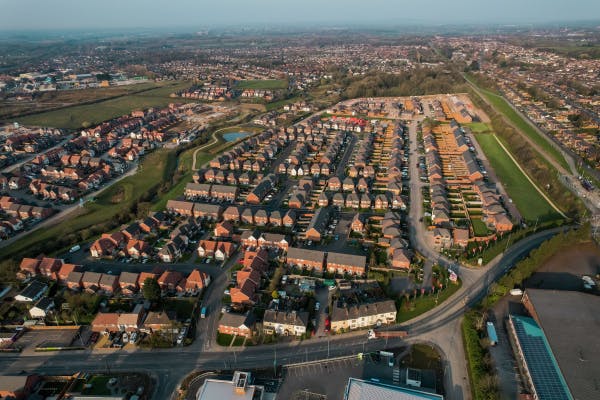
It’s not just serving personnel who need support. Military spouse housing options are available through various routes. While entitlement to SFA is linked to the serving member, spouses and partners may qualify for assistance through councils or housing associations if they separate or after service ends. Charities also offer housing grants and emergency accommodation for families in need.
Find Legal Advice here.
Find Further Support
From living in service accommodation to moving out of MOD housing, military families face unique housing challenges. Whether you’re looking into military spouse housing options or exploring your next step after service, there is help available through councils, charities, and government-backed schemes.
Understanding how MOD Service Family Accommodation works, and what comes after, means you can plan ahead and feel more confident about your housing journey.

Military Housing FAQs: MOD SFA, Tenancy & Spouse Support
What is Service Family Accommodation (SFA)?
SFA is housing provided by the MOD for service personnel with families. It’s usually close to bases, with subsidised rent and maintenance included.
How much rent do you pay in MOD housing?
Rent depends on the property’s size, location, and condition. It’s designed to be affordable, generally lower than equivalent private rentals.
What happens when you leave service housing?
You usually need to vacate within 93 days of discharge. At this point, you can apply for council housing, explore veteran housing charities, or move into private rental or ownership schemes.
Are military spouses entitled to housing support?
Spouses may access support through local councils or charities, especially if separated or when the service member leaves. While entitlement to SFA ends with service, other housing routes are open.
Can you buy your military home?
Unlike some government housing schemes, SFA cannot be purchased. However, serving and ex-forces personnel can apply for schemes such as Armed Forces Help to Buy or Shared Ownership.