




Why Gambling Harm Hits Veterans and Military Families Harder — And How To Get Help
21 Apr 2026
Leaving the military can be a huge change, and for many, it’s not always easy to adjust. That’s why veteran mental health support services exist, to give ex-Forces personnel and their families a safe place to talk, heal and get back on their feet. Whether it’s PTSD help for ex-military personnel, counselling, or simply knowing you’re not alone, there are services out there that understand what you’re going through.
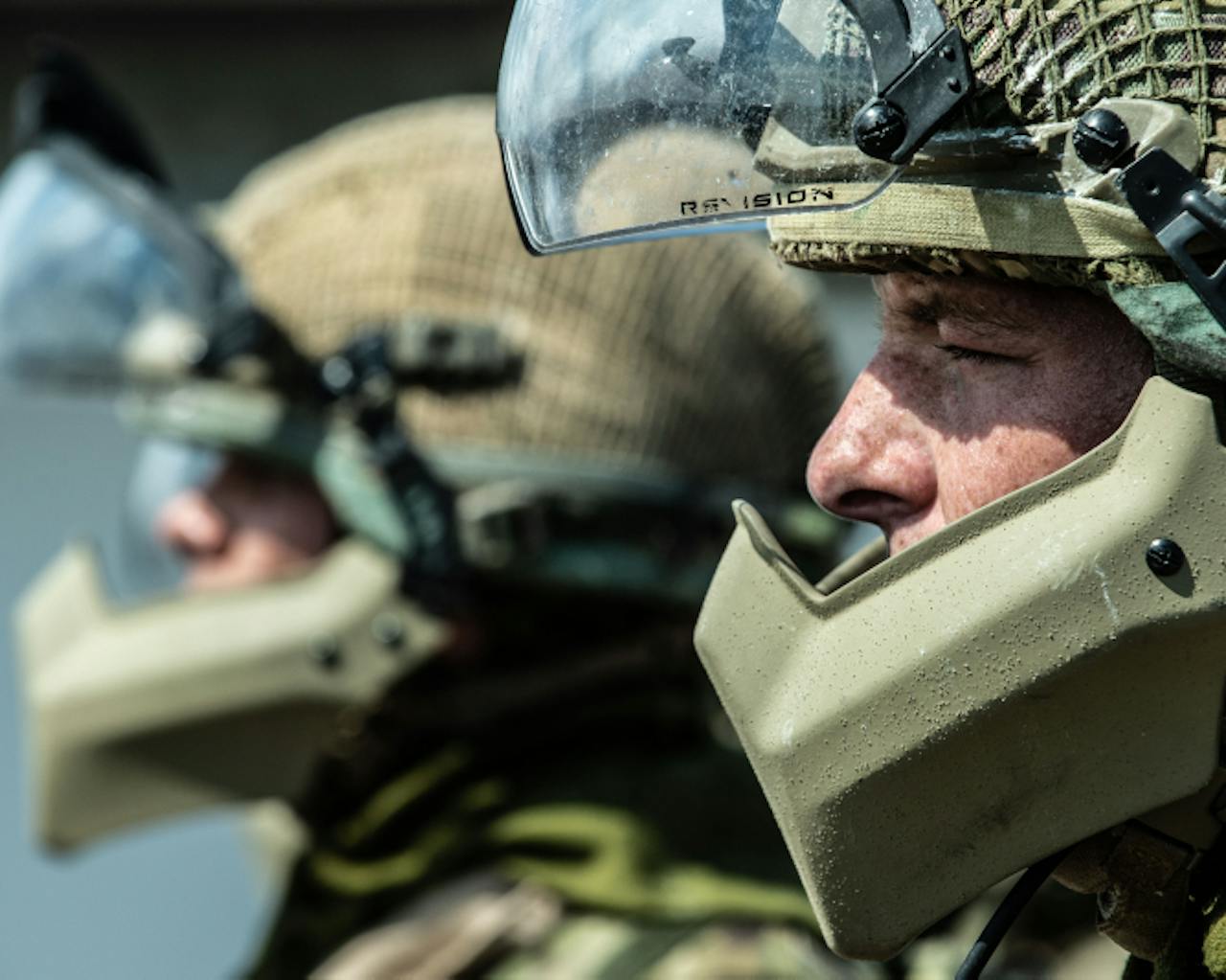


Life after service can bring challenges that don’t always show on the outside, from depression after leaving the military to anxiety, anger, or difficulties settling into civilian life. For some, memories of active service can bring flashbacks or sleepless nights. Others may face isolation or struggle to open up to people who haven’t worn the uniform.
Combat Stress helpline: 0800 138 1619 — free, 24/7, for veterans and families
Op COURAGE: self-refer directly at opcourage.net — no GP needed
Veterans Gateway: 0808 802 1212 — 24/7 signposting to the right service
Samaritans: 116 123 — free, any time, any reason
The latest opportunities, guides and news for the Armed Forces community

Veterans can access free support through the NHS Veterans’ Mental Health and Wellbeing Service, Combat Stress, Help for Heroes, Walking With The Wounded, and other Forces charities. Troopr signposts all these services in one place.
PTSD support includes therapy, group sessions, and medication if needed. The NHS, Combat Stress, and private charities all run specialist PTSD programmes for ex-military personnel.
Yes. Many charities and NHS programmes provide counsellors who are trained in military culture and trauma, making it easier to open up without having to explain your background.
You can self-refer to both. Simply call Combat Stress directly or ask your GP for a referral to the NHS Veterans’ Mental Health Service. Troopr also guides you through the process.
Absolutely. Many services extend to partners, children, and family members. Living with the effects of service can be tough for families too, and help is available for them through charities and NHS services.
Life after service can bring challenges that don’t always show on the outside, from depression after leaving the military to anxiety, anger, or difficulties settling into civilian life. For some, memories of active service can bring flashbacks or sleepless nights. Others may face isolation or struggle to open up to people who haven’t worn the uniform.
Accessing the right help at the right time can change everything. Veteran-focused charities like Combat Stress or Andy Man’s Club, NHS programmes such as Op Courage, and peer support networks provide the understanding and care that only those familiar with military life can give.
Access further Ex-Military Support.
Post-Traumatic Stress Disorder (PTSD) can affect anyone who’s been through trauma, and it’s something many veterans experience. Signs include nightmares, flashbacks, mood swings, and avoiding reminders of military life.
Dedicated services like Combat Stress (UK helpline 0800 138 1619) and NHS Veterans’ Mental Health Services provide professional care. Troopr also helps connect veterans with the right resources, making sure no one falls through the cracks.
Find out about Veterans PTSD support.
Worried about the cost of therapy? You don’t need to be. Many organisations offer free counselling for veterans, both online and face-to-face. This includes sessions with counsellors who actually understand military culture.
Charities like Combat Stress, Help for Heroes, and regional NHS services make it easier to find someone to talk to when you’re struggling. Troopr signposts these services in one place so you don’t waste time searching.
Discover Free Counselling Services here.
While most veterans transition successfully into civilian life, some face unique challenges that can increase the risk of suicide, particularly younger veterans, those who leave service unexpectedly, or those living with trauma, addiction, or mental health difficulties. Recognising these risks early and knowing where to turn for support can save lives.
Specialist NHS mental health services, veteran-specific helplines, and peer support networks are available to provide confidential help for anyone in crisis, as well as for families and friends who are worried about a loved one. Reaching out for support is a sign of strength — and there are dedicated services ready to help you navigate even the toughest moments.
If you or someone you know is struggling, support is available 24/7.
21 Apr 2026

21 Apr 2026

21 Apr 2026

21 Apr 2026